Mass Migration Surge into Spanish Enclave of Ceuta from Morocco
Approximately 72,000 migrants crossed from Morocco into the Spanish enclave of Ceuta, resulting in at least 72–75 deaths. The majority returned to Morocco within days, but the event triggered an EU-level political crisis, security investigations, and debate over Spain's immigration policy.
Bias ratings sourced from MBFC, AllSides. Ratings are cited, not the product's own verdict.
The report
Approximately 60,000 to 72,000 migrants crossed from Morocco into the Spanish enclave of Ceuta during a mass migration surge in late July 2026. At least 72 to 75 people died during or after the attempted crossing. Within days, roughly 70,000 of those who entered returned to Morocco, leaving approximately 2,000 people remaining in the enclave as of early August.
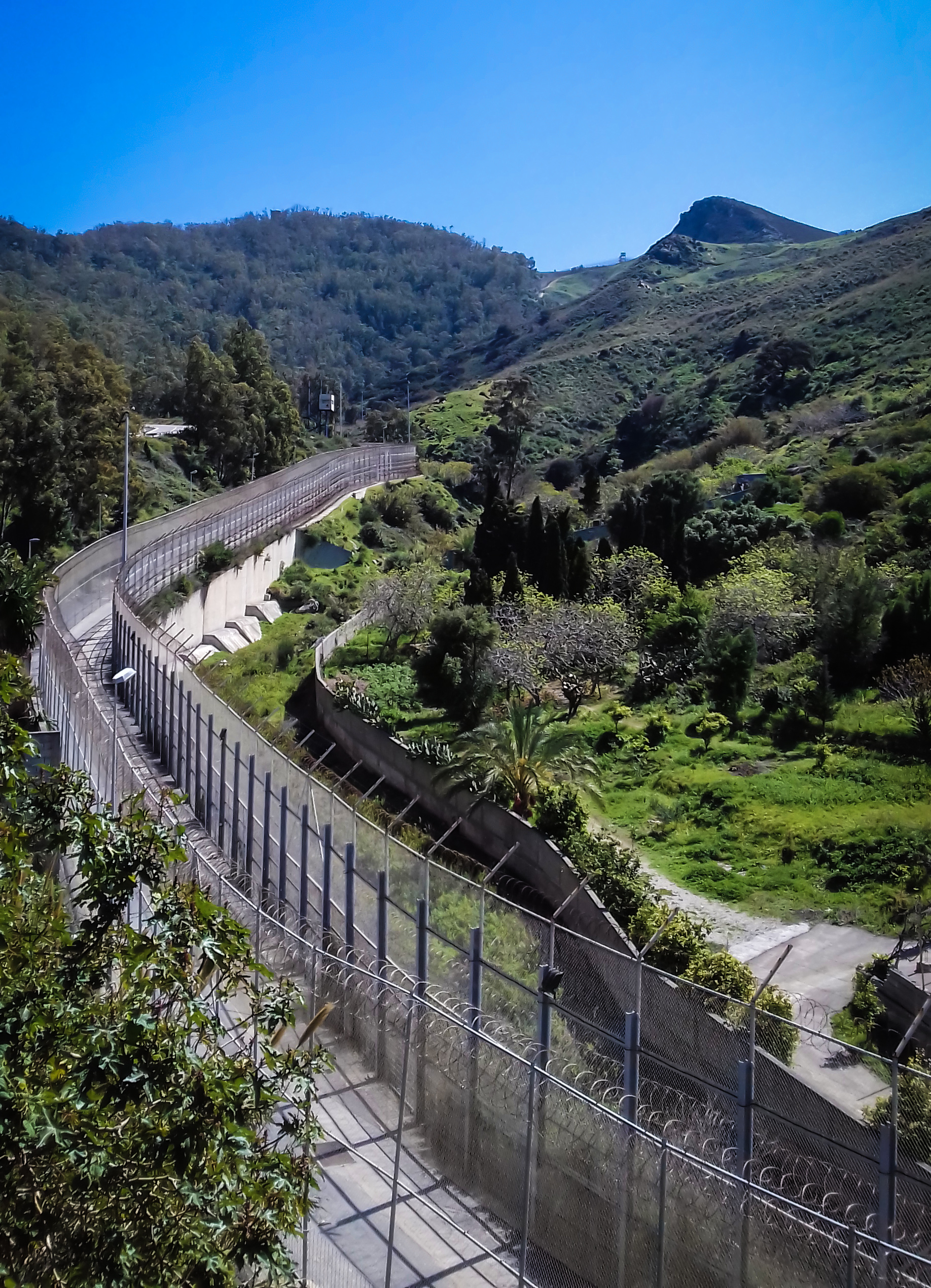
The surge was preceded and accelerated by a social-media campaign spreading misleading information about Spanish immigration law and a recent Supreme Court ruling. According to reports from across the political spectrum, this disinformation campaign generated over 11 million potential impressions before and during the crossing.
Ceuta is a Spanish enclave on the North African coast with special status under Schengen rules, requiring full border and document checks for all entries and exits to mainland Spain or the broader European Union. This legal framework makes it distinct from other EU external borders and requires separate processing for anyone seeking to continue to the Spanish mainland.
The death toll itself was reported differently by different authorities. While EU ministers were told of at least 75 deaths and Spanish sources confirmed at least 72, France 24 reported that Moroccan authorities gave a separate, lower figure of 11 deaths. The discrepancy in casualty counts between Spanish and Moroccan official sources was not explained in available reporting.
Right-leaning and center-left outlets both reported that Spain's Interior Minister stated those without the right to remain would be returned to Morocco, and that Spain was 'in the process of resolving' the status of remaining individuals. EU ministers publicly praised Spain's 'swift' response to the crisis, and the EU offered emergency financial support to strengthen border protection in Ceuta.
Spain's Interior Minister said the country's foreign intelligence agency had not warned him of an imminent surge of that magnitude, and Spain rejected suggestions it had advance knowledge of the crossing. Fox News reported that Morocco formally denied deliberately orchestrating the mass crossing, while Spanish intelligence assessments attributed to El País and Cadena SER suggested Morocco did not plan the surge but allowed it to unfold after gradually relaxing border controls.
Fox News reported that Spain's Foreign Minister defended Morocco's post-surge response, saying Moroccan authorities quickly provided police support and helped facilitate the return of most of those who crossed. This characterization of cooperative Moroccan action appeared only in right-leaning coverage.
Fox News reported that Morocco's Interior Ministry spokesman attributed the surge to exploitation of digital platforms, misleading information, human-trafficking networks, and inaccurate interpretations of legal developments. According to this outlet, Moroccan prosecutors opened investigations to identify those responsible for the social-media campaign.
Spain's Supreme Court issued a July 8 ruling on the immediate return of migrants intercepted at sea near Ceuta and Melilla. Fox News reported that the social-media disinformation campaign accelerated after this ruling, with misleading interpretations of its implications spreading across digital platforms.
The Guardian reported that Ukraine's foreign minister alleged Russian networks spread disinformation about the migration crisis, and that the EU's diplomacy service launched an investigation into whether Russian actors played a role in amplifying the social-media campaign. This dimension of potential foreign interference was not covered by other outlets in the source set.
Fox News, citing El Confidencial and Interior Ministry sources, reported that Spanish authorities were examining whether known criminals or suspected jihadists exploited the crossing to enter Ceuta undetected. According to this reporting, the National Police and Guardia Civil were reviewing video footage and checking identities against criminal and counterterrorism databases.
Fox News reported that local Ceuta authorities were processing 862 migrant minors, with children begging for food or sleeping outside after the youth shelter became overwhelmed. This humanitarian detail regarding unaccompanied minors appeared only in right-leaning coverage, sourced via the Associated Press.
The crisis triggered a diplomatic dispute between Spain and Italy, with both center-left and right-leaning outlets reporting that Italy temporarily reintroduced border controls following the Ceuta surge, a decision Spain contested.
The Guardian reported that a senior EU official criticized Spain's policy of regularizing the status of undocumented migrants, suggesting the crisis exposed policy divisions within the EU over migration management. Denmark emerged as one of the countries most critical of Spain, with The Guardian reporting that Denmark's prime minister joined calls to consider suspending Spain's participation in the Schengen area.
France 24 reported that far-right political forces in Spain seized on the incident to criticize Prime Minister Pedro Sánchez's government's immigration policy, though specific details of this domestic political response were not elaborated in other coverage.
What the coverage shows
Background
- Ceuta is a Spanish autonomous city on the North African coast, bordered by Morocco. It is an EU territory but has a special status under the Schengen Agreement, meaning those entering Ceuta from Morocco are not automatically in the Schengen Area and still face border checks to reach mainland Spain or the EU.
- Spain's Supreme Court issued a ruling on July 8, 2026 concerning the immediate return of migrants intercepted at sea near Ceuta and Melilla. According to a Golden Owl Intelligence report, a social-media disinformation campaign accelerated following this ruling, spreading misleading interpretations of the decision.
- The area around Ceuta and the adjacent Moroccan town of Fnideq (Castillejos) has a documented history of jihadist recruitment, with hundreds of people from northern Morocco having traveled to join ISIS and other groups in Syria and Iraq during the mid-2010s, and authorities having previously dismantled extremist cells in the area.
- Spain-Morocco relations over migration have been historically tense and subject to fluctuation. Spanish and Moroccan officials negotiated cooperation on border management, but the respective roles and responsibilities of both governments during this specific surge remained disputed.
- The Ceuta crisis occurred against a backdrop of broader European crises in summer 2026, including a severe heatwave producing record temperatures across Central Europe, critical low water levels on the Rhine and Danube affecting energy and shipping, and wildfires near Athens.
The 3 outlets behind this story
Bias ratings sourced from AllSides and Media Bias/Fact Check. Ownership shown where disclosed.